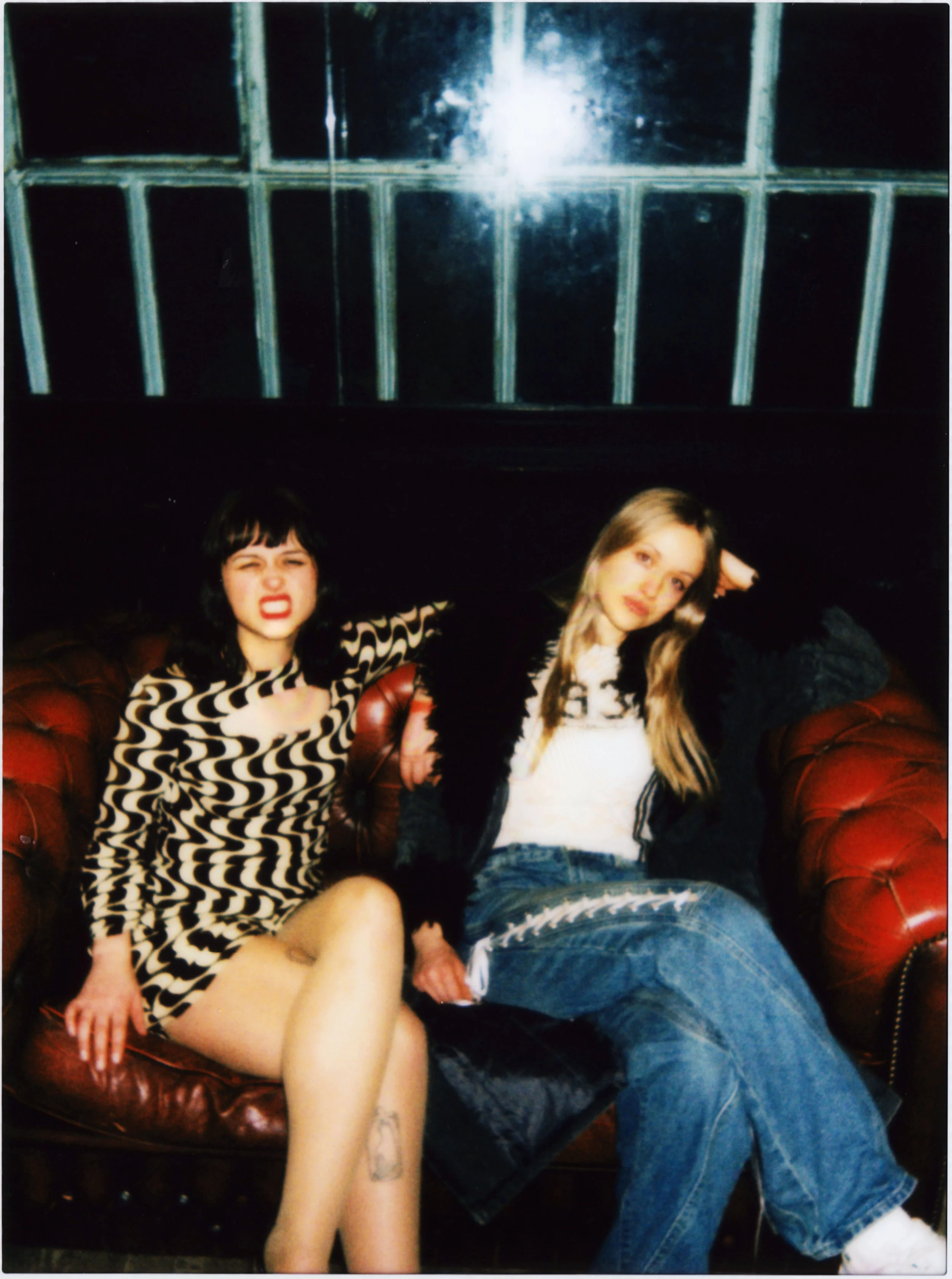
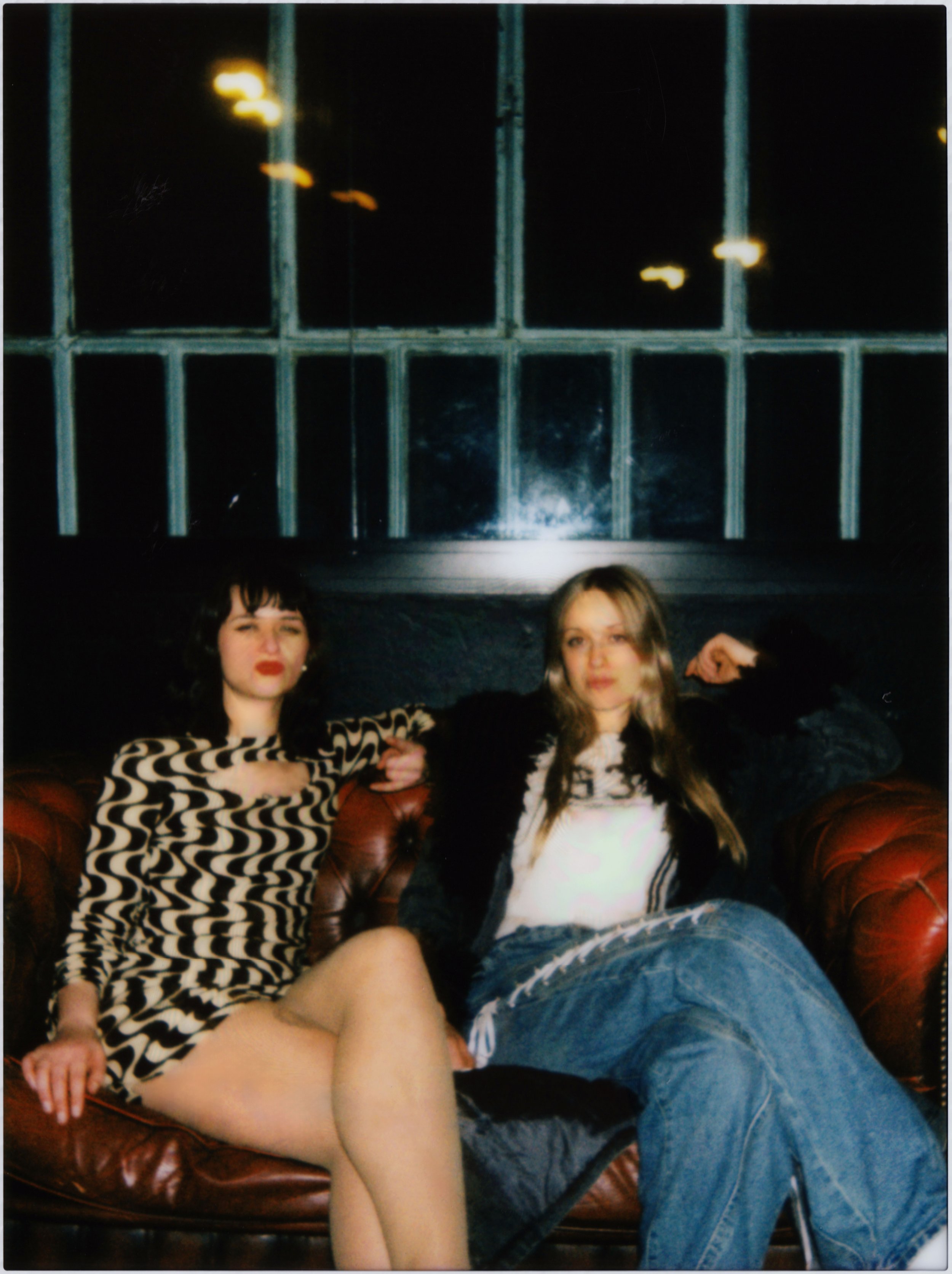
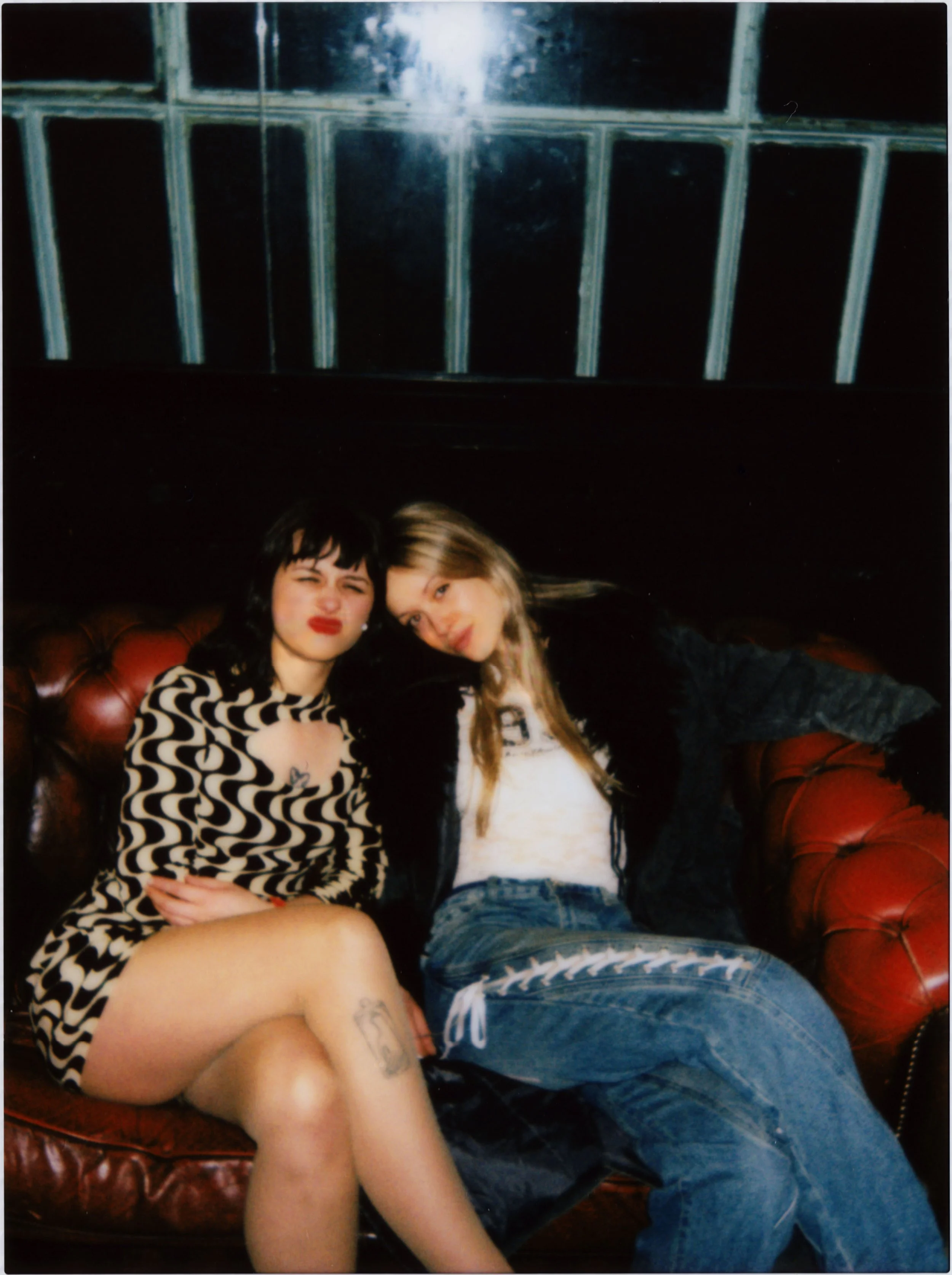
Bratakus: The Scottish Sisters born to be Riot Grrrls
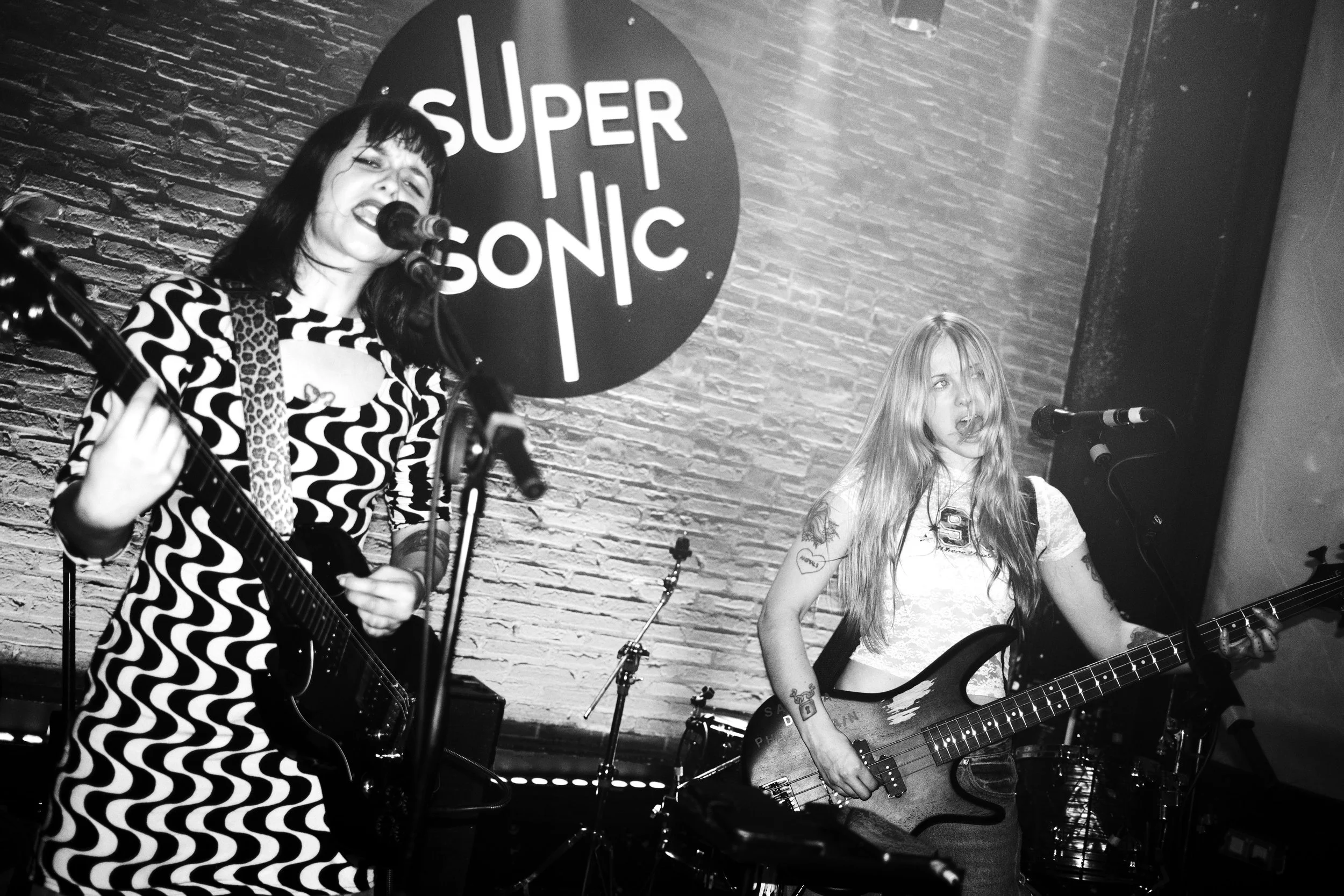
Bratakus at Super Sonic club, Paris by Sixtine cAIL
Natural born and bred punks, Breagha and Onnagh practically came out of the womb making punk music. The two sisters began their punk duo, Bratakus, at an early age, inspired by The Distillers and their own father who was involved in a punk band of his own.Though they are from the remote Highlands of Scotland, the sisters were not short of inspiration for their music whatsoever.
The two grew up in a house that “before it became our family home it was kind of like a punk house that our parents and a lot of other punks lived in. Then eventually those people moved out and it became our parents' home but it still kept its original vibe and there were always a lot of people who would read the address behind our father’s records and would just show up to our house, people we didn’t know would just come up and say “Hii is this the house of Angus from Sedition?” and we would have random punks staying at the house and we’ve been used to that since a really young age” Bregha revealed. This experience gave Bregha and her sister a chance to meet punks from all over the world and understand the community aspect that comes with the music. Onnagh also recalled memories of their childhood, “ If our dad was playing at a local gig, I remember being too young to really understand what was going on and I was just climbing on and off the stage. I was just a little kid running around my dad all up on his feet.”
Breagha and Onnagh do everything themselves when it comes to their music; distribution, tour management, recording, promotion, and more. This independence is extremely important to them. Breagha described the process, saying “It felt kind of normal to us to do things that way because we just kind of grew up with that, like when we started a band we didn’t even think about looking for a label or a booking agent. You just do it. You just make the designs, you arrange the gigs, make some t-shirts and put a record out. You send your stuff to a press and sell records.” Although “it’s eighteen people’s jobs,” as Onnagh described it, this complete independence is the way that the duo have moved for over ten years.
Maintaining complete creative control over Bratakus is what makes all this work worth it, however, there comes a time when artists may need some help. “When we found Venn Records, who just released our record, it was exactly what we needed at that point, specifically on keeping our voices. They were really great at that and they just let us do what we want for the album. It was already recorded and they let us lead our project the way we want it but still they’re taking away some of that pressure that comes with doing everything yourself. And we’ve both been writing more now that we have a little more time to focus on that,” Breagha described. Breagha started the band initially, writing the songs and deciding to bring her younger sister Onnagh along for the ride. The help of a record label made it easier for Onnagh to contribute to the writing in recent years.
So what did their process of getting off the ground actually look like? “First we took a video of us playing one of our songs in my bedroom before we had any music recorded and we would send that to promoters and bands we really liked. And if we saw a gig that had two bands on the bill we'd send them something and offer to play with them. We just did that a lot and we were lucky that the first gig that we did put on was for the Girls Rock School in Glasgow. We were really lucky because they were doing a fundraiser for their first year and they squeezed us on the bill. It was an amazing first show because there were so many people there. I think the first year pretty much all of the opportunities came from people who saw us at that show it was also amazing because it's an organization that's really special to us that we have followed ever since, so over ten years, and it feels nice to have that connection that has been made from the start.”
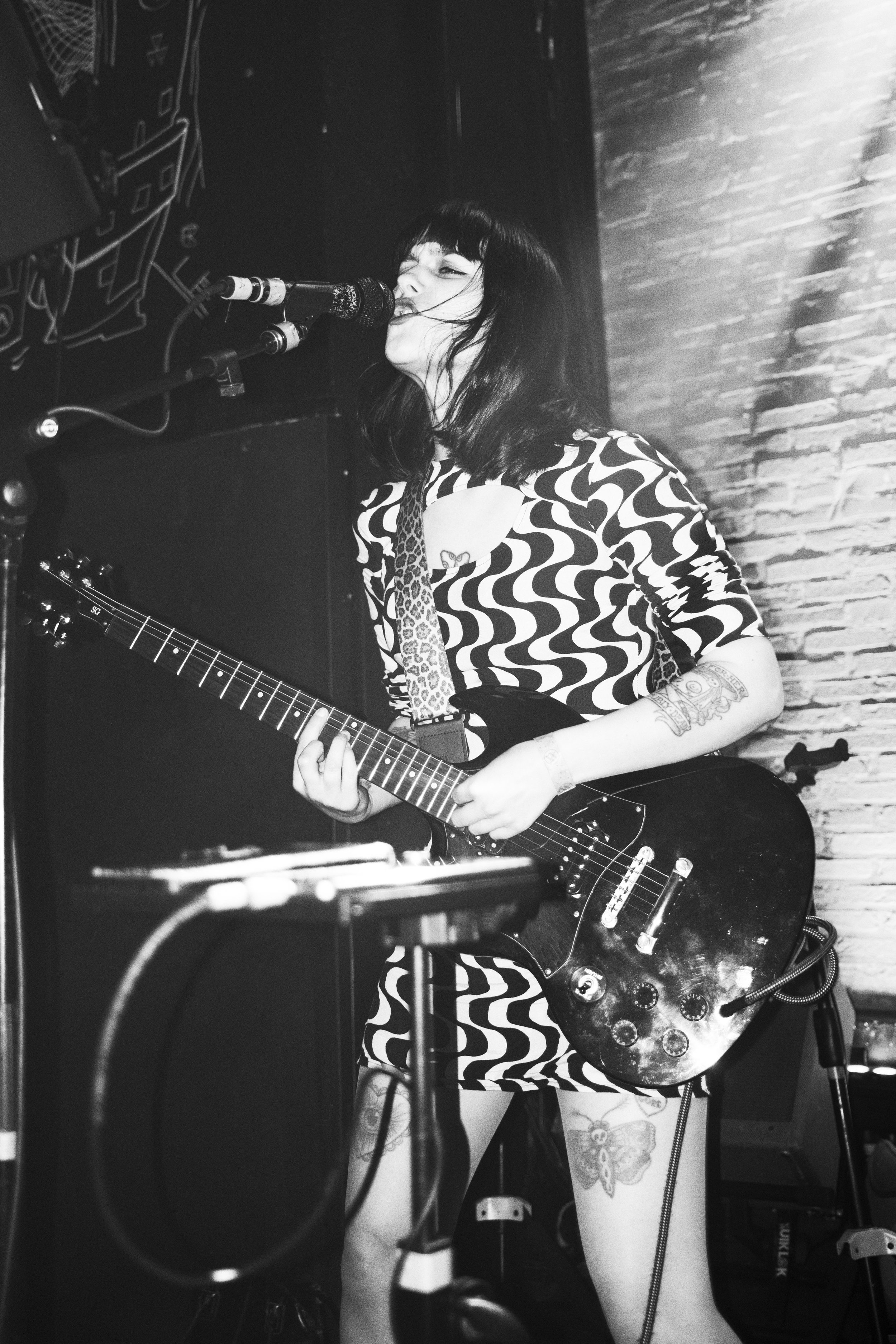
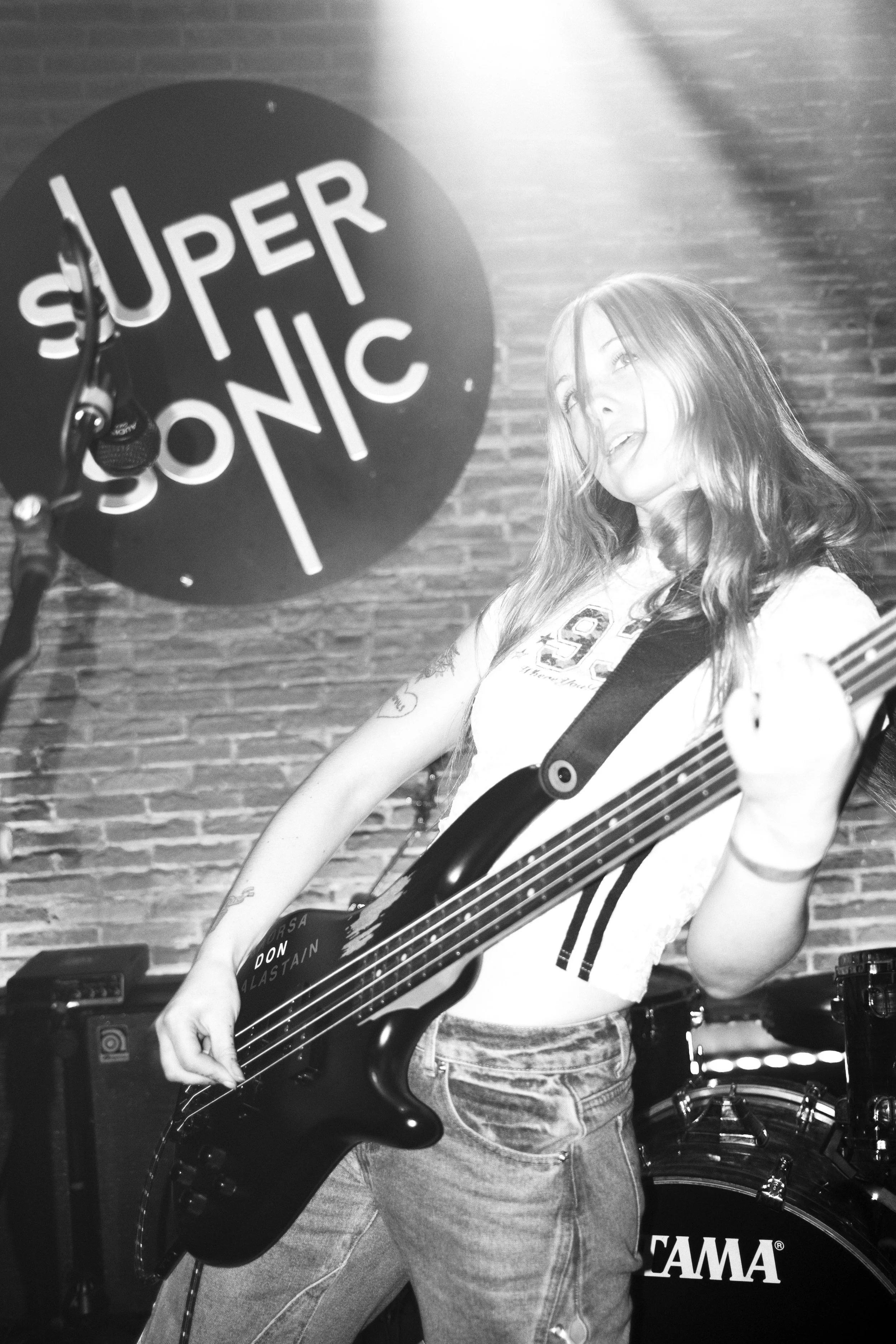
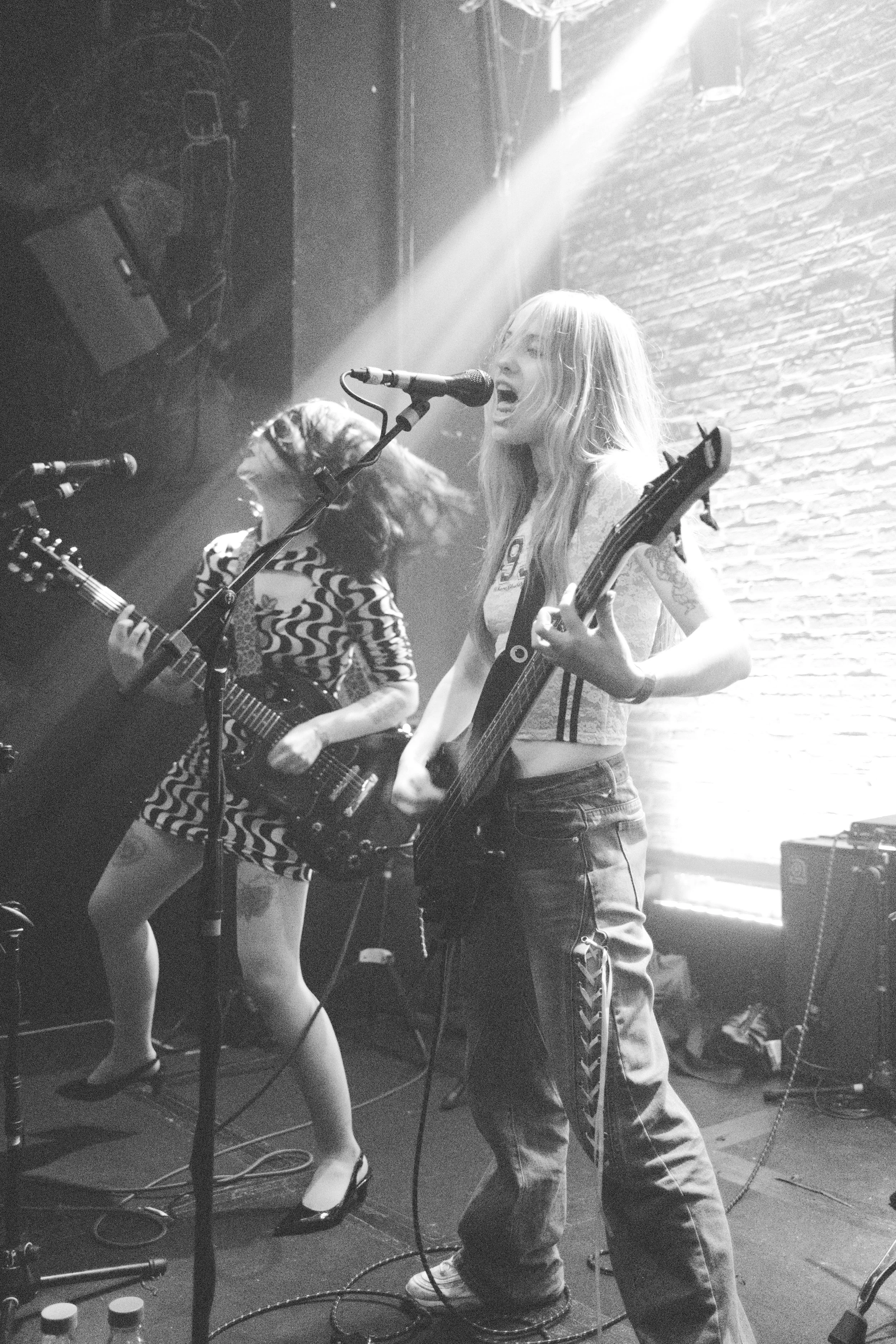
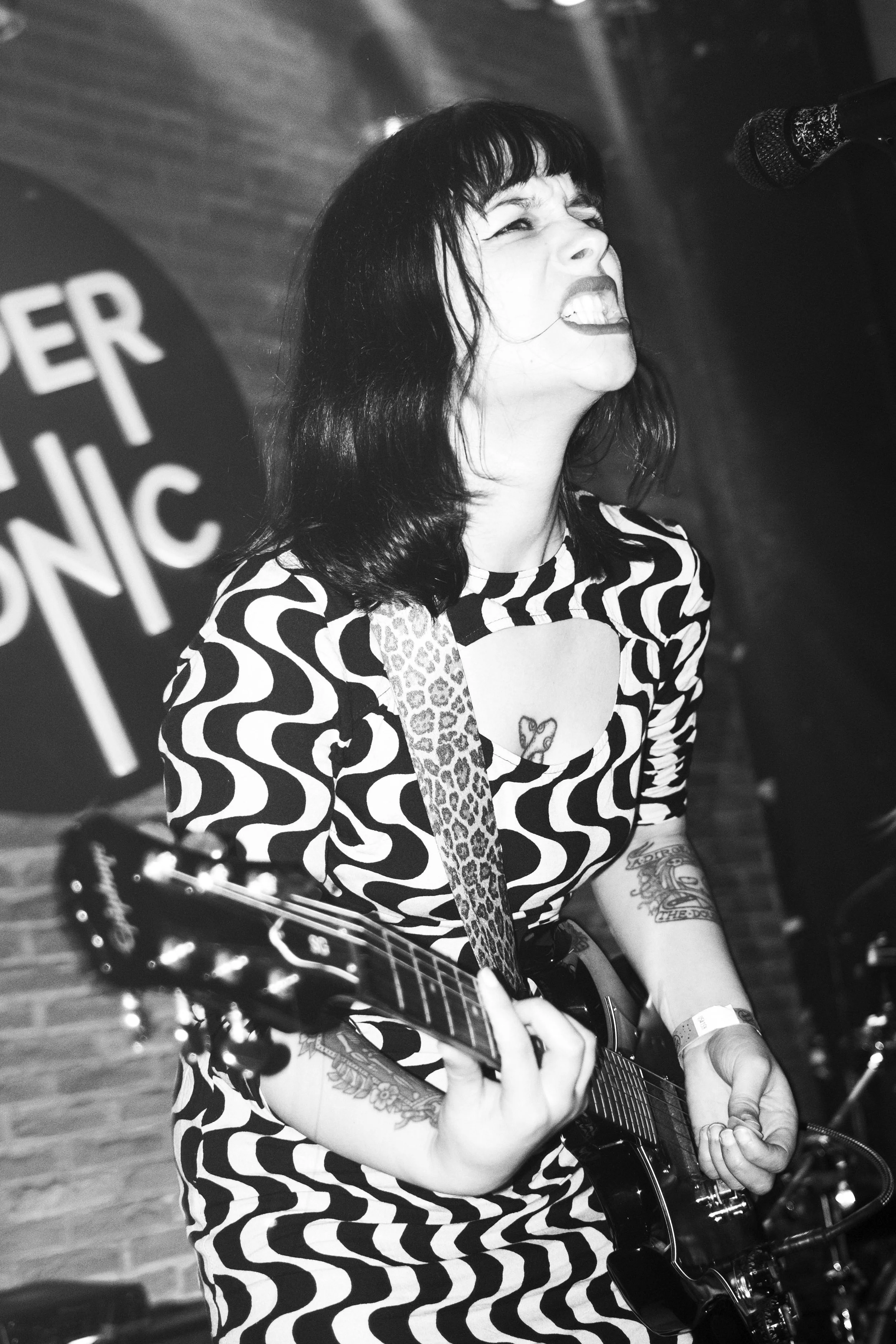
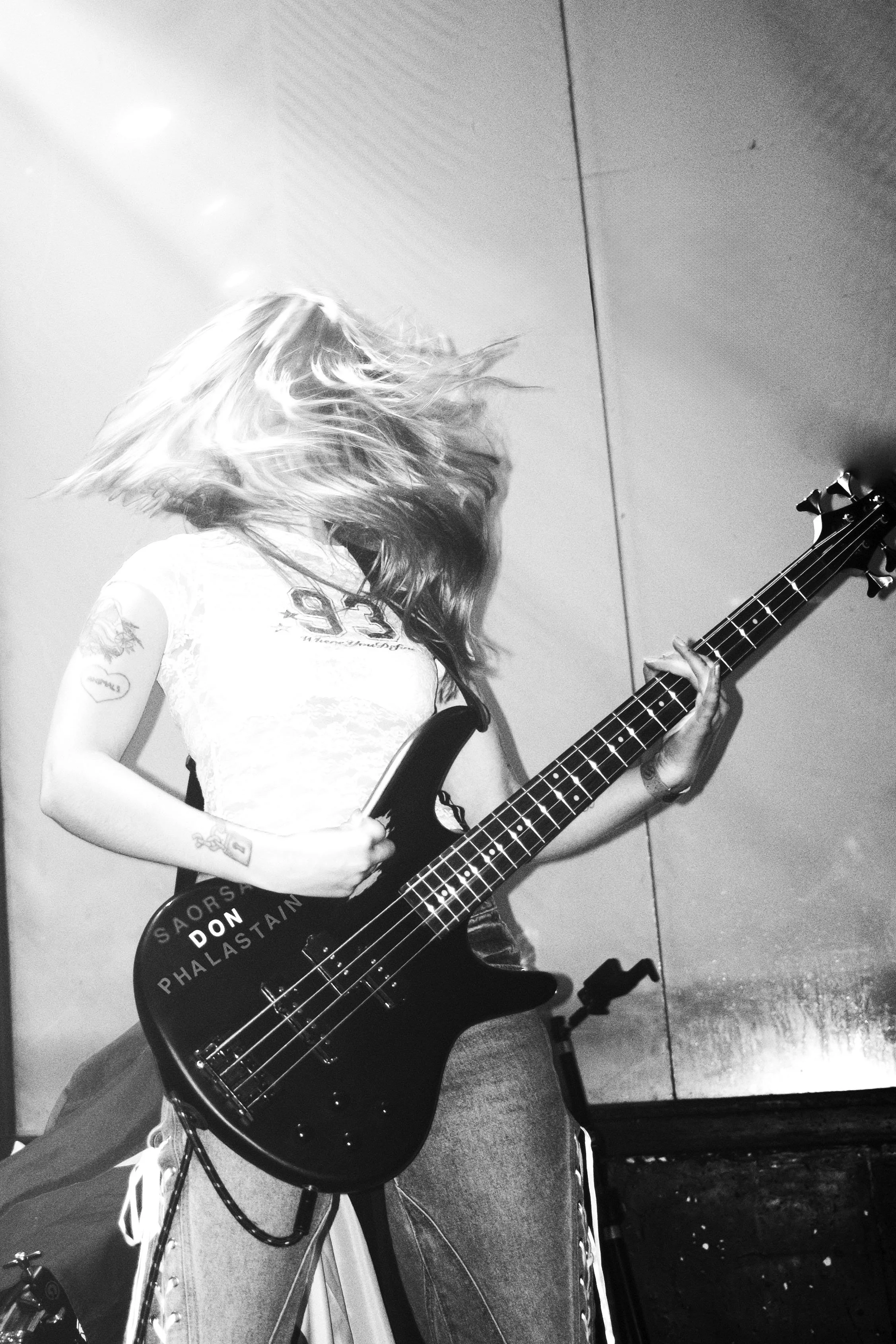
Their music is charged with political angst and themes of womanhood that traditional Riot Grrrl music inspires. Over the years, the duo has been able to incorporate more personal meaning into their songs. When talking about their new album Hagridden and how their writing has evolved, Breagha revealed that “some of the songs I wrote when I was thirteen. I'm thirty now so I hope there has been a progression in my songwriting from thirteen to now. I think back then I was so young, they were not as much about my experience but more about politics. It was like my thirteen-year-old self looking at things that were happening, whereas now it's more about our experiences in the band although they're still political they still come from a lived-in point of view. Like, we’re singing about something that really has happened to us as opposed to something that we see happening around us. We used to be more like I'm going to write about it from the point of view of a young person spreading a message rather than it being a personal experience. For me, our theme in the new album is about how it felt to be a young woman playing in a band.” Breagha went on to describe that being a teenage girl in the band was an experience that was impossible for her not to write about. Experiencing that misogyny and other challenges having to do with either her young age or being a woman or both fueled the rage that creates the intensity of Bratakus’ music.
When asked about which song carries the most personal meaning on Hagridden, Onnagh chose “Behave. It's about being really young in the scene and how if you want to go to gigs and be at the front, dancing and singing, as a young woman, you have to plant your feet in your ground and have to have your arms ready to defend yourself because things would get so crazy and people would go so out of control and you would get beaten up and groped just for wanting to be at the front of a gig. I don’t feel like I should be pushed to the back, I feel like this space should be available for all of us. That beating up and groping should not be happening. So the song is about that frustration and almost about being pushed out of the scene because of people who say this is just how punk gigs are, if you don’t want that to happen just stand in the back. I don’t want to stand at the back.”
Breagha answered “for me, definitely Jody. It's really about feeling really vulnerable at times as a woman playing music. Especially as kids, when we started, it’s easy to let things get on top of you in a way. There's a lot of stuff coming at you at once and you can see that happening to your peers too. Sometimes it just feels like it's like a lot of defeats but you have to learn how to get on top of all of that.”
Because of their deep involvement in punk and the punk scene, Breagha and Onnagh hardly listen to punk outside of gigs and their own shows. “ It is a lot to be involved in the scene and hear punk a lot, so we listen to doo-wop music and a bunch of other things. I know that a lot of inspiration for our songs comes from like 60s girl groups, like I'll hear a little bit of music or a little riff and then I’ll integrate that in our songs in a way that inspires something. That's really how I make my songs,” Onnagh explained.
Bratakus has some advice for how to deal with burnout as a musician. Breagha says “just let yourself rest and don't try and force yourself to create. If I force myself to create, I burn out more and it feels really hard. I think when you are creative it feels almost shameful not to be creative all the time but if you're not in the headspace to be doing it then you feel not good enough. Sometimes allowing yourself to not be a machine is a good way to get that creativity back.
Onnagh says “ I agree, and for me taking the time to reconnect with why you’re doing what you’re doing in the first place is important too. I think for me sometimes it's about experience, like you know having negative experiences can definitely feed the negativity, but things like the Girls Rock School was a total recharge, like having a female-led really positive project that you can see is making a big and meaningful difference from the people who are putting so much effort into it. Being involved in things like that gives me hope again if I’ve had some knockdowns. Going and seeing places like that, seeing people that are really working hard and trying and like making a real difference in the lives of young people, all that really drives me forward and helps me.”
Some more advice from Breagha on how to keep your music career moving forward; “rehearse all the time, as much as you can. And play as many gigs as possible even if it feels ridiculous to keep playing to people, that's kind of how you put yourself out there. Then, eventually people will recognize your name just because you’re playing all the time. Keep your mind open to opportunities. There’s an idea in the punk scene that being nonchalant and rejecting a lot of gigs makes you cool, but sometimes really cool opportunities can come along and it's OK to take them and do something that the other bands aren't doing. I know we've ended up in a really amazing situation because we said yes, let's go for that and see where this takes us.”
Onnagh also added “ Just go for it. It definitely impacted us having parents in the scene, so we had an attitude from the beginning that we can do this and we can just try and if it doesn't work out we'll just see what happens. So I would say to you, do that with a footnote from being older: look after yourself when you're doing it. A lot of this lifestyle is kind of glamorized and it's really hard work and I think we were really young in a way that we didn't really think about that until we got to a stage where we were like burnt out so I would say at the same time as going for it, take time for yourself make sure you’re looking after yourself.”